Deploy & Relocate
Physical IT Installation Support for NVIDIA DSX POD Projects
Leviathan Systems supports the approved physical IT work around a DSX POD project: equipment receiving and preparation, IT interconnections, cabling, labels and handoff records. We define the remaining tasks against the delivery partner’s actual package, site requirements and installation permissions. Personnel, methods, equipment and availability are confirmed for each engagement.
Discuss a Project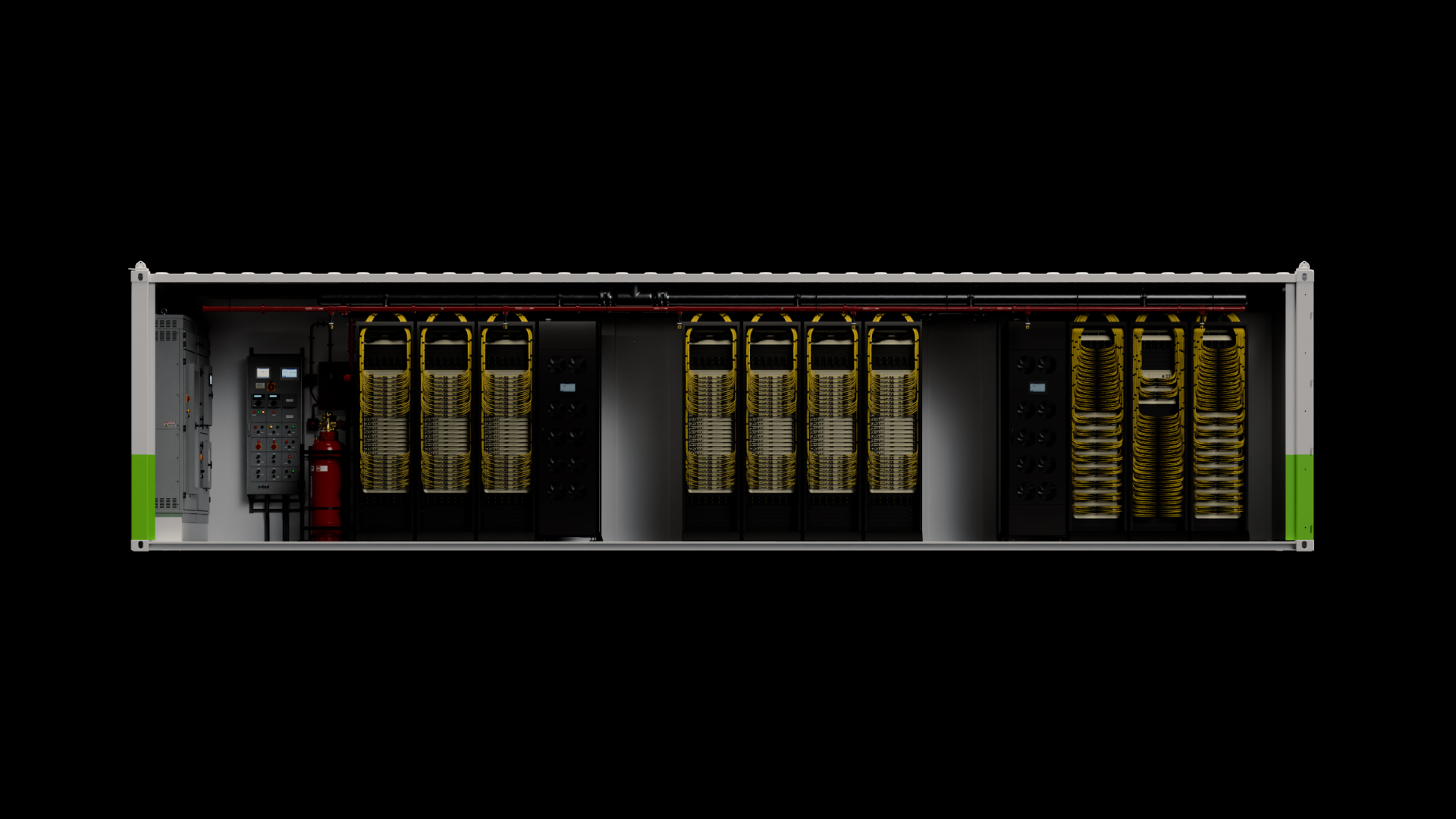
NVIDIA DSX POD. Image: NVIDIA.
Official NVIDIA announcementStart with the partner’s delivered package
DSX POD shifts integration to the factory while retaining site connections.
Bring the supplied configuration and the partner’s handoff record into the installation discussion. Identify the IT interfaces left for the site team, the parts already included and the restrictions protecting the supplied assembly. An installation proposal should carry that boundary forward rather than assume every rack needs field assembly.
Our role is to turn the approved remaining physical IT tasks into an identifiable work package: what will be received, which connections are included, who supplies the materials and what record the next team needs. Product selection, supply commitments and permissions for the delivered system stay with their appointed owners.
Choose the physical IT work you need
Receiving and documentary preparation
Reconcile the expected equipment and delivery references, record agreed identifiers and visible-condition observations, and bring discrepancies to the supplier or customer owner. Receiving location, custody, staging and handling arrangements are agreed separately for the actual shipment.
Approved IT interconnections and cabling
Install the included fiber, copper and other approved IT cable assemblies to released endpoints and authorized pathways. Define connection points, assembly references, material supply, routing, dressing and live-link restrictions before the work is released.
Labels and physical installation records
Apply the agreed identifiers and reconcile the installed IT connections with their source revisions. Record authorized changes, completed physical checks and unresolved items so the receiving team can trace what the package covers.
Planning and record updates
Scope point-to-point schedules, physical layouts, routing coordination or as-built updates when needed. Confirm authoring resources, reviewer, software, formats and the field evidence required before promising a particular output. A supplied plan alone is not an observed as-built.
Give the site package its own inputs
For a useful first conversation, identify the appointed delivery partner and equipment configuration; the supplied integration and factory-record scope; the proposed site and target window; and the IT tasks you want included. Provide the applicable external endpoint and cable schedules, approved pathway references, label rules and the team receiving our handoff.
Name the customer, OEM and facility contacts who decide changes and site access. Identify who owns each electrical, cooling, placement and system-commissioning dependency, with the relevant readiness return and any restriction affecting the IT work. A project coordinator can carry those responses into the package without approving another discipline’s design.
Scope the site connection, preserve the factory record
Consider an illustrative request for two site IT links, S1 and S2, around one partner-supplied unit. The partner’s record identifies its internal connections. S1 has a released endpoint and assembly reference; S2 still lacks its remote endpoint. These are fictional document states, with no performed work or approval implied.
The useful proposal names S1 and S2 separately and returns S2’s missing input to the connection owner. It identifies the requested installation and handoff for the site links while retaining the partner’s internal record as its own evidence. Any decision to release S1 separately must come from the actual responsible parties. Neither the delivery record nor an unresolved endpoint silently expands the IT installer’s scope.
Assign the facility and specialist interfaces
NVIDIA’s technical design describes an 800 VDC input.
Facility electrical design, high-voltage power connections, hardwiring, new circuits and energization belong to appointed qualified electrical parties. A reference voltage is not an instruction or permission for Leviathan to connect power.
The customer appoints the OEM and qualified cooling parties for liquid connections, CDU or loop work, flushing, pressure or leak tests, and cooling commissioning. Container lifting and placement, rigging, foundations, structural and fire-system work likewise need their identified qualified owners and approved scope. Leviathan’s physical IT work is coordinated around these packages.
Licensed or stamped engineering and complete software, fabric or system commissioning are outside the standard offer. Record the readiness information our agreed tasks depend on, the interfaces we must leave undisturbed and the person returning each missing decision.
Agree what the receiving team gets
Name the customer or partner team accepting this physical package and the separate teams carrying the next system decisions. Our handoff describes the work and evidence actually included; it does not claim productive AI capacity, cooling acceptance or overall commissioning.
Equipment and installation identity
The included equipment references, destination or position records and agreed receiving observations, at the detail the engagement requires.
Connection and change record
The included IT cable and endpoint identifiers, applicable revisions and authorized departures, with planned and observed information kept distinguishable.
Checks, exceptions and next owners
The actual contracted physical-check evidence and unresolved items, with responsible recipients. Instrument testing requires its own confirmed method, instruments, qualified personnel and acceptance criteria.
Project questions
Can you work around a system that arrives factory-integrated?
Yes, where the customer and equipment owners define permitted physical IT tasks for that supplied configuration. We start from the existing integration and its records, then agree the remaining receiving, IT cabling, labels, physical checks and documentation. Internal changes or additional handling require their own applicable instructions and scope decision.
Is Leviathan an NVIDIA DSX POD delivery partner?
This page makes no NVIDIA affiliation, certification or completed DSX POD installation claim. The customer appoints the equipment and delivery partners; Leviathan’s proposed engagement concerns its agreed physical IT work.
Does the announcement establish an installation date?
NVIDIA plans partner availability for early 2027. Agree our work window against the actual partner delivery, site releases, task dependencies and team availability. Public rollout timing does not reserve personnel or establish the duration of your project.
Are CAD files and certified test results included?
Include them only after the actual output, authoring or test resources, qualified reviewer, method and criteria are confirmed for the engagement. The physical package can instead have a defined installation and exception record where that is the agreed handoff.
Who supplies equipment and cable materials?
Identify the appointed supplier, approved configuration, quantities and delivery responsibility in the brief. Customer-furnished and separately sourced items can be discussed. A material schedule or installation inquiry does not place an order or imply Leviathan stock holding.
Discuss the DSX POD physical IT package
Share a nonconfidential outline of the partner-supplied configuration, remaining IT tasks, site, target window and required handoff. Identify the appointed suppliers and unresolved interfaces. We will follow up to discuss the scope, requirements and availability; arrange an appropriate channel for restricted records.
Discuss a ProjectEmail Project Scope